
The landscape of China-based procurement has never been in greater flux. Between supply chain realignment, digital transformation, and global trade policy shifts, the “old playbook” of sourcing from China is being rewritten. Here’s what we’re seeing on the ground and how you should adapt.
1. The “China + 1” Is Real — But Not How You Think
Everyone talks about diversifying into Vietnam, India, or Mexico. And yes, many foreign buyers are running parallel supplier bases. But here’s the nuance most blogs miss: China is still the anchor. The shift isn’t about leaving China—it’s about using China as a hub for core components, molds, and R&D, while secondary assembly or simple packaging moves offshore.
If you’re a buyer, don’t burn your China relationships. Instead, negotiate dual-location production agreements with your Chinese suppliers who have set up factories in Southeast Asia. Many Zhejiang-based manufacturers already operate satellite plants in Vietnam or Thailand. Leverage that.
2. Short-Run & Customization Is the New Norm
The era of massive MOQs (Minimum Order Quantities) is fading. Chinese factories, especially in the Pearl River Delta, are increasingly adopting flexible manufacturing setups — modular production lines that can switch between SKUs in hours, not days.
Why? Domestic e-commerce (Douyin, Pinduoduo) demands rapid restock cycles with tiny batch sizes. This capability now spills over into export orders.
Action item: Ask your supplier if they offer “quick-response production” with a 15-20% premium over standard MOQ pricing. For many categories, the math works out better than overstocking dead inventory.
3. AI-Powered QC & Digital Factory Tours
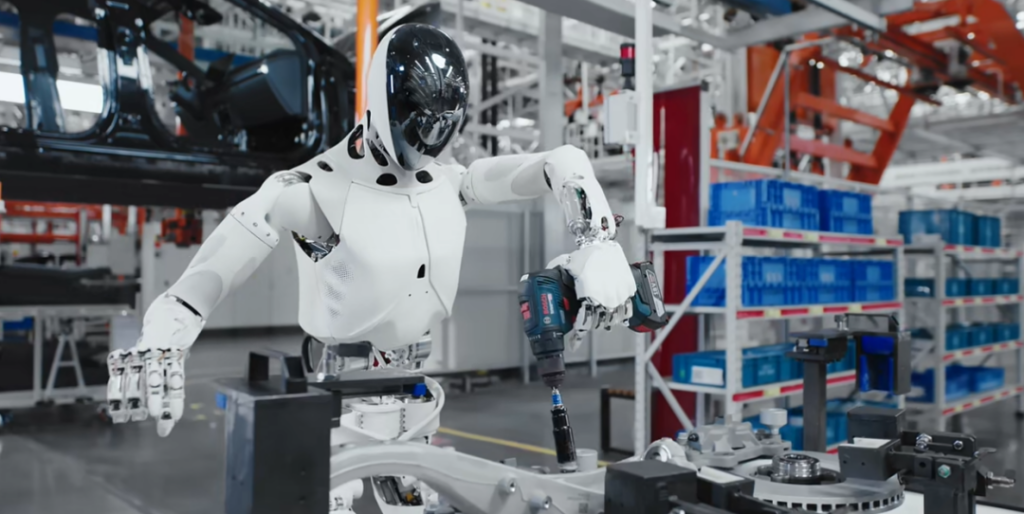
Forward-thinking Chinese factories are deploying computer vision for inline quality inspection. We’re seeing AI-based defect detection on assembly lines for electronics, textiles, and even food processing. The result? First-pass yield rates jumping from 92% to 99%+.
For buyers: request a live video factory tour via WeChat or Zoom before your physical visit. Factories that refuse or stall are often hiding something. Those that embrace it — and can pull up real-time QC dashboards on a tablet — are your Tier-1 candidates.
4. Cross-Border E-commerce Infrastructure Has Matured
Selling through Amazon, Shopee, or TikTok Shop? The logistics ecosystem supporting Chinese cross-border e-commerce is now industrial-grade. Fulfillment centers in Yiwu, Shenzhen, and Guangzhou offer integrated warehousing → inspection → repackaging → last-mile delivery.
New for 2026: “Distributor-as-a-Service” models where Chinese trading companies stock your inventory in their bonded warehouse, pick/pack per order, and handle customs clearance across 30+ countries. Viniacargo has partnered with several such operators — the cost savings vs. traditional 3PL can hit 25-40%.
5. Sustainability Mandates Are Hitting the Factory Floor
European and North American buyers are enforcing ESG compliance with real teeth now. Chinese suppliers are responding — not always willingly, but pragmatically. Solar rooftops on factory buildings in Guangdong have doubled since 2023. Wastewater treatment compliance in textile hubs (Shaoxing, Jiangsu) is being actively enforced.
Hard truth: If your supplier can’t produce a basic carbon footprint report or a social compliance audit (SMETA, BSCI), they won’t be viable for EU buyers by 2027. Start the conversation now.
Our advice: Work with an intermediary like Viniacargo that pre-vets suppliers on ESG metrics. Don’t send a separate audit team — most factories have “audit fatigue.” Roll ESG into your existing QC visit.
Bottom Line
China sourcing in 2026 is not about finding the cheapest price. It’s about building adaptive supply chains — factories that can do small runs, factories that embrace AI QC, factories that have an ESG story to tell. The buyers who treat their China suppliers as strategic partners (not transactional vendors) will win the next decade.
Viniacargo Trading — Your Trusted China Sourcing Partner Since 2017. We handle supplier verification, quality control, logistics, and end-to-end procurement so you can focus on growing your business.
📬 Need help navigating these trends? Contact our team at [email protected]