China Sourcing Blog Tips, Guides & Industry Insights Vinia Cargo HK
Expert guides on sourcing from China, supplier verification, freight optimization, and quality control. Practical tips for global buyers from Vinia Cargo HK’s team.
If you’re moving goods into or out of Europe, stop what you’re doing and check your carbon cost exposure. Because the regulatory floodgates just opened — and most shippers aren’t ready. Two regulations, one massive cost squeeze The EU is executing a pincer movement on import carbon costs, and 2026
While peak-season rate hikes dominate headlines — MSC just pushed Asia-North Europe FAK to 6,000/FEU and Maersk announced a1,500/FEU PSS for July 7 — a quieter but potentially more structural cost shift is unfolding this week at IMO headquarters in London. IMO member states are again debating whether global
If you’re a freight forwarder or importer reading the headlines this June, you’re getting whiplash. Let me paint the picture. The Shanghai Containerized Freight Index (SCFI) hit 2,726.48 points in the first week of June — a new 2026 high, up 39.5% in a single month and surging over 70%
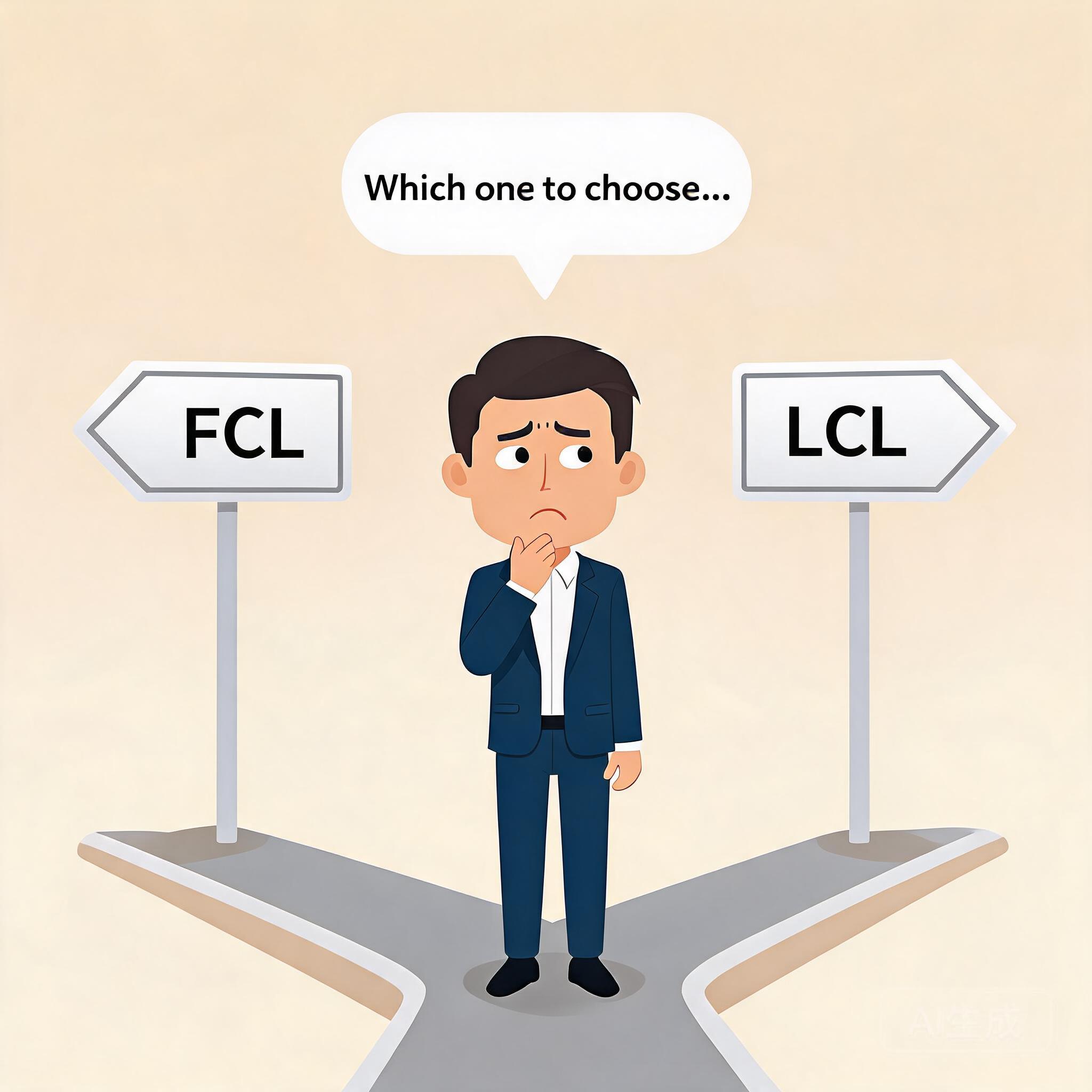
If you’re moving goods between Asia and Western markets, ocean freight isn’t just the cheapest option — it’s the backbone of global trade. But “shipping by sea” can mean vastly different costs, timelines, and headaches depending on how you do it. Here’s a no-fluff breakdown of what actually matters. FCL
If you’re shipping internationally, ocean freight is likely your backbone — moving roughly 90% of global trade by volume. But the difference between a profitable shipment and a costly headache often comes down to the details. Here’s a practical breakdown of what every logistics manager should know. FCL vs LCL:
If you’re importing from China, ocean freight is your bread and butter. But here’s the thing — the difference between a profitable shipment and a money pit often comes down to decisions made before your cargo hits the dock. Let’s cut through the noise. FCL vs. LCL: It’s Not Just
If you’re shipping goods from China, ocean freight is your bread and butter — but getting it right means more than just booking a container. The difference between a profitable shipment and a costly headache often comes down to how well you understand your options. Let’s cut through the noise.
The landscape of China-based procurement has never been in greater flux. Between supply chain realignment, digital transformation, and global trade policy shifts, the “old playbook” of sourcing from China is being rewritten. Here’s what we’re seeing on the ground and how you should adapt. 1. The “China + 1” Is
If you’ve been in the importing game for more than six months, you’ve heard the horror story. The container arrives. You open it. Half the units are defective. The color is wrong. The packaging looks like it was assembled by a toddler. Your customer rejects the shipment. Your margin evaporates.
If you’ve been sourcing from China for more than six months, you’ve had “that shipment.” The one where the color doesn’t match the sample. The one where cartons arrive crushed but the factory swears they packed everything perfectly. The one where 15% of units are defective and your customer is